
Updated: 2026-08-04
Minami Ward, Nagoya, Aichi
Nagoya Minami Ward: indoor wall leak caused by missing putty around an aircon pipe hole
A case in Nagoya's Minami Ward where water appeared from the interior wall rather than the aircon unit. Neither side of the wall penetration had been sealed, allowing humid air to enter and condense around the cold piping.
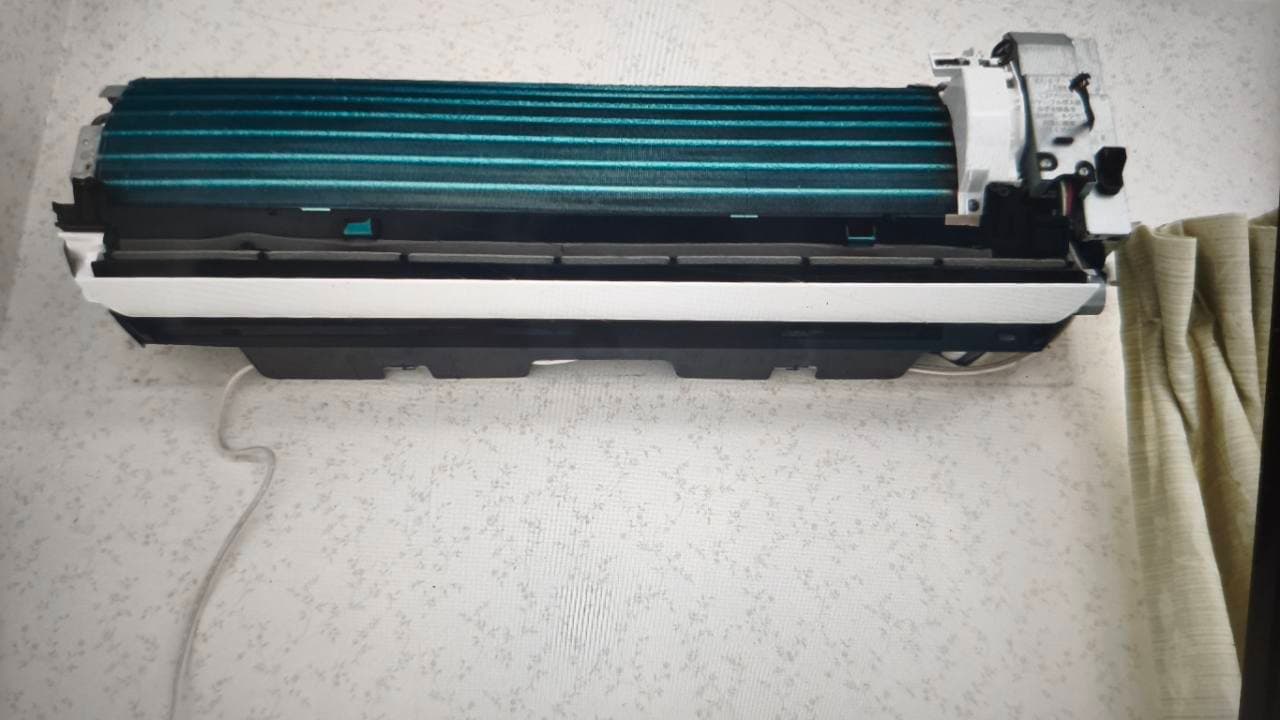
Short Answer
In this case, water came from the interior wall because the aircon pipe penetration had not been sealed with putty on either the indoor or outdoor side. Humid air entered the wall cavity and condensed around the cold piping and nearby surfaces. When wallpaper near a pipe hole becomes wet even though the indoor unit and drain hose are not visibly leaking, the sealing on both sides and moisture inside the wall need to be inspected.
Checklist
- ・Water appeared from the interior wall near the pipe penetration, not the air outlet
- ・Neither the outdoor nor indoor side of the wall hole had been sealed with putty
- ・Humid air entered the cavity and condensed around the cold pipe area
- ・Manufacturer installation instructions require the wall-hole gaps to be fully sealed
- ・Record the leak location and both sides of the penetration instead of opening the wall yourself
Photos from this case
The first clue was water from the wall, not the indoor unit
During cooling, the interior wall near the piping hole became wet and water entered the room. This differed from droplets blown from the outlet or water falling from the bottom of the indoor unit. We therefore checked the wall penetration between the indoor unit and the outdoor piping instead of assuming that the drain hose was the only possible cause.
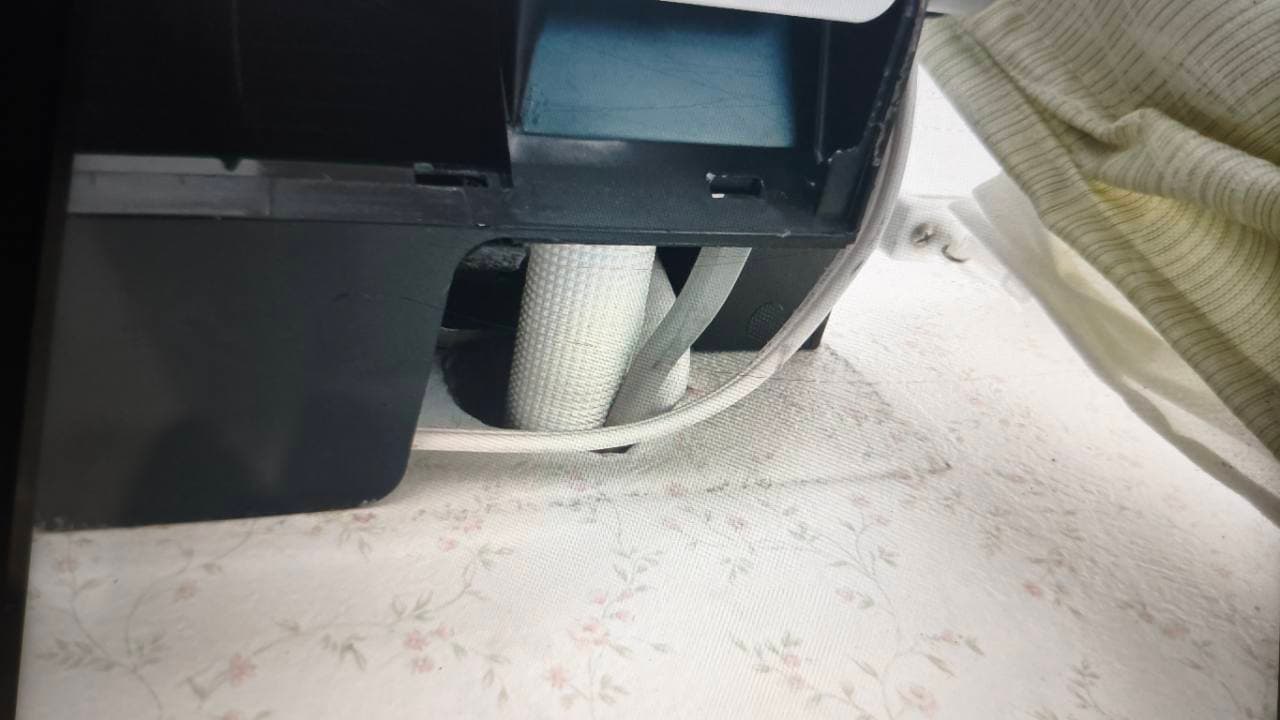
There was no putty seal on either side
The gap between the piping and exterior wall had not been sealed, and the indoor side also had no putty treatment. In this case, the key was not only whether rainwater had flowed directly through the hole. The openings allowed humid air to keep entering the wall cavity. This was the condition observed in this specific case and does not mean every interior-wall leak has the same cause.
Moisture condensed around the cold piping inside the wall
Refrigerant piping becomes colder than its surroundings during cooling. If humid outdoor or cavity air reaches a cold surface because sealing or insulation is incomplete, moisture in the air can become liquid water. Comparing the unsealed openings with the leak location led to the conclusion that condensate formed inside the wall and reached the interior finish.
Manufacturer instructions require complete sealing
Fujitsu General installation instructions state that gaps around the wall sleeve and wall cap should be completely sealed with sealing putty. The instructions also warn that humid air entering from inside the wall can cause condensation dripping. Another official installation manual instructs installers to seal the exterior gap completely to prevent wind-driven rain. The manual for the specific model takes priority, and both sides should be checked during installation.
Separate a pipe-hole leak from an indoor-unit leak
Water from the outlet or bottom of the indoor unit can involve drain blockage, a disconnected or poorly sloped hose, or internal dirt. If only the wallpaper near the pipe hole is wet, the wall becomes wet during cooling even without rain, and there is no visible water path through the unit, the inspection should also include putty, pipe insulation, the wall sleeve, and wall cap.
Safe homeowner steps are stopping, protecting, and documenting
Stop operation if water may reach an outlet or appliance, and do not touch wet electrical equipment. Protect the floor and furniture, then photograph the complete indoor unit, wet wall, indoor pipe-hole area, and outdoor pipe exit. Do not climb, open the wall, move refrigerant piping, or force putty into the gap, as this can damage piping or wiring and obscure the original water path.
Prevention includes insulation and drainage, not only putty
A proper repair should check the wall sleeve, wall cap, pipe insulation, exterior weather sealing, and condensate drain instead of covering only the visible gap. Wet cavity insulation or interior finishes may also need drying and further assessment. Tokai Home Everything can review photos and organize the inspection scope for homes primarily in Nagoya.
Need help with the actual work?
Photos and a short description help us understand what work may be needed.